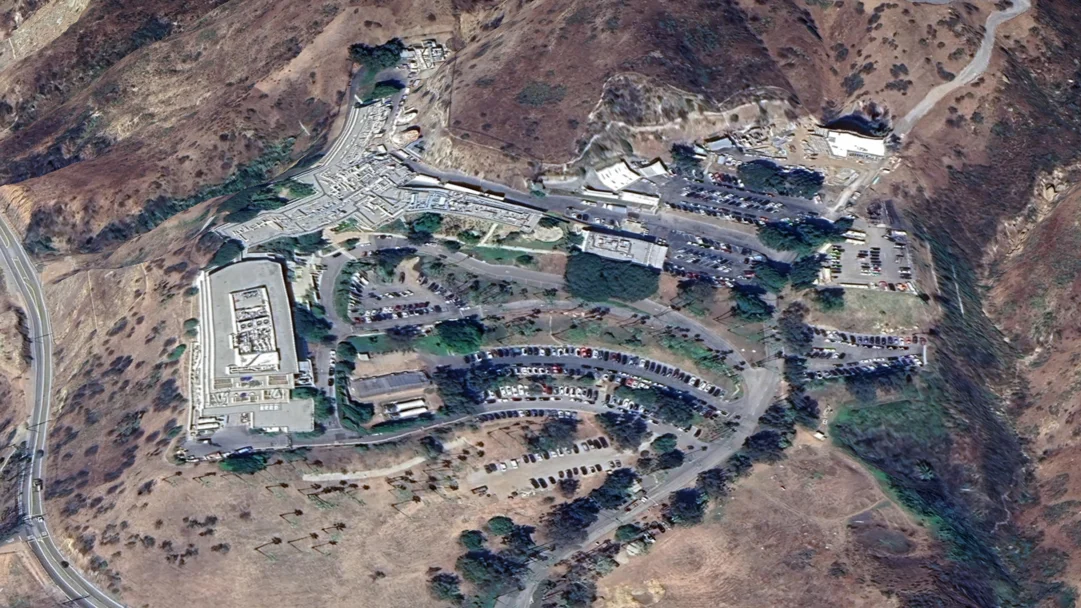
If you’ve driven Malibu Canyon Road, you’ve passed it. Two massive white buildings perched in the hills above the coast. Just a quiet entrance off the road and a security gate. Most people assume it’s a private school or some kind of medical campus. It’s not.
It’s HRL Laboratories, formerly Hughes Research Laboratories, the research arm of Howard Hughes’ aerospace empire. It has been operating in Malibu since 1960. It is, and has been for decades, the city’s largest private employer. And among its accomplishments is one that changed the modern world: it’s the place where the laser was invented.
Howard Hughes Picks Malibu
In the late 1940s, Howard Hughes established a small research and development facility in Culver City as part of his Hughes Aircraft Company. The lab’s original mission was narrow: upgrade microwave systems, build better radar, and develop guided missile technology. Cold War work, essentially, funded by defense contracts and driven by the arms race.
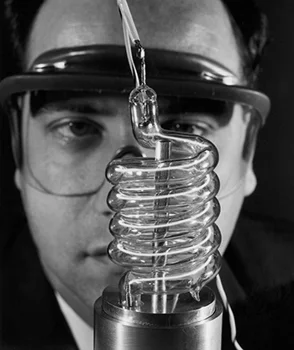
Photo Credits: HRL.com
By the late 1950s, the operation had outgrown Culver City. Hughes commissioned Los Angeles architect Ernest Lee to design a new campus, and the location he chose was unusual: the hills above Malibu Canyon, overlooking the Pacific Ocean. The facility opened in 1960. Two large white multi-story buildings, 250,000 square feet of laboratory and office space, tucked into the Santa Monica Mountains above one of the most famous beach towns in the world.
It was, and remains, a strange juxtaposition. A classified weapons research lab perched above a surf break. Scientists working on ion propulsion and radar systems with views of Point Dume out the window.
May 16, 1960: The First Laser
The same year the Malibu campus opened, a 32-year-old physicist named Theodore Maiman did something that major research teams at IBM, Bell Labs, MIT, and Columbia University had been racing to achieve. Working with a budget of just $50,000, Maiman built the world’s first functioning laser using a synthetic pink ruby crystal and a photographer’s flash lamp.
The date was May 16, 1960. The device was small enough to hold in one hand. When Hughes’ public relations team wanted to photograph it for the press announcement, the photographer complained it was too small, so they posed Maiman with a larger flash lamp. It’s ironic that the invention that would eventually power everything from barcode scanners to eye surgery to fiber optic communications started as something so modest it didn’t even look impressive enough for a photo op.
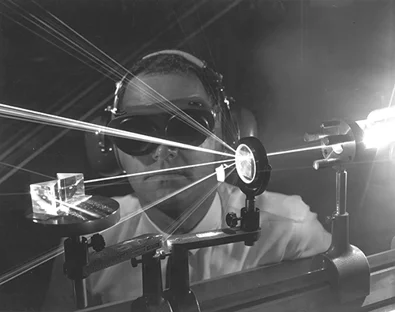
Photo Credits: HRL.com
Other researchers had dismissed ruby as a viable lasing medium. Maiman’s calculations told him otherwise. He was right. His paper describing the breakthrough was initially rejected by Physical Review Letters, one of physics’ top journals. He published it in Nature instead. Maser co-inventor Charles Townes later described that short paper as perhaps the most important article that Nature had ever published.
In 2010, the American Physical Society designated the Hughes Research Laboratories campus in Malibu as a Physics Historic Site. The original ruby crystal from Maiman’s experiments is now in the Smithsonian.
Beyond the Laser
The laser made the headlines, but the lab’s output over the following decades was remarkably broad. In the 1970s, researchers pioneered custom optical fibers and integrated optical circuits that laid groundwork for modern telecommunications. In 1984, the lab’s Artificial Intelligence Center produced software for DARPA’s Autonomous Land Vehicle program, which demonstrated the first autonomous navigation of cross-country terrain. In the 1990s, the team built the first stabilized outdoor augmented reality system and the first hybrid satellite-wireless ad hoc network.
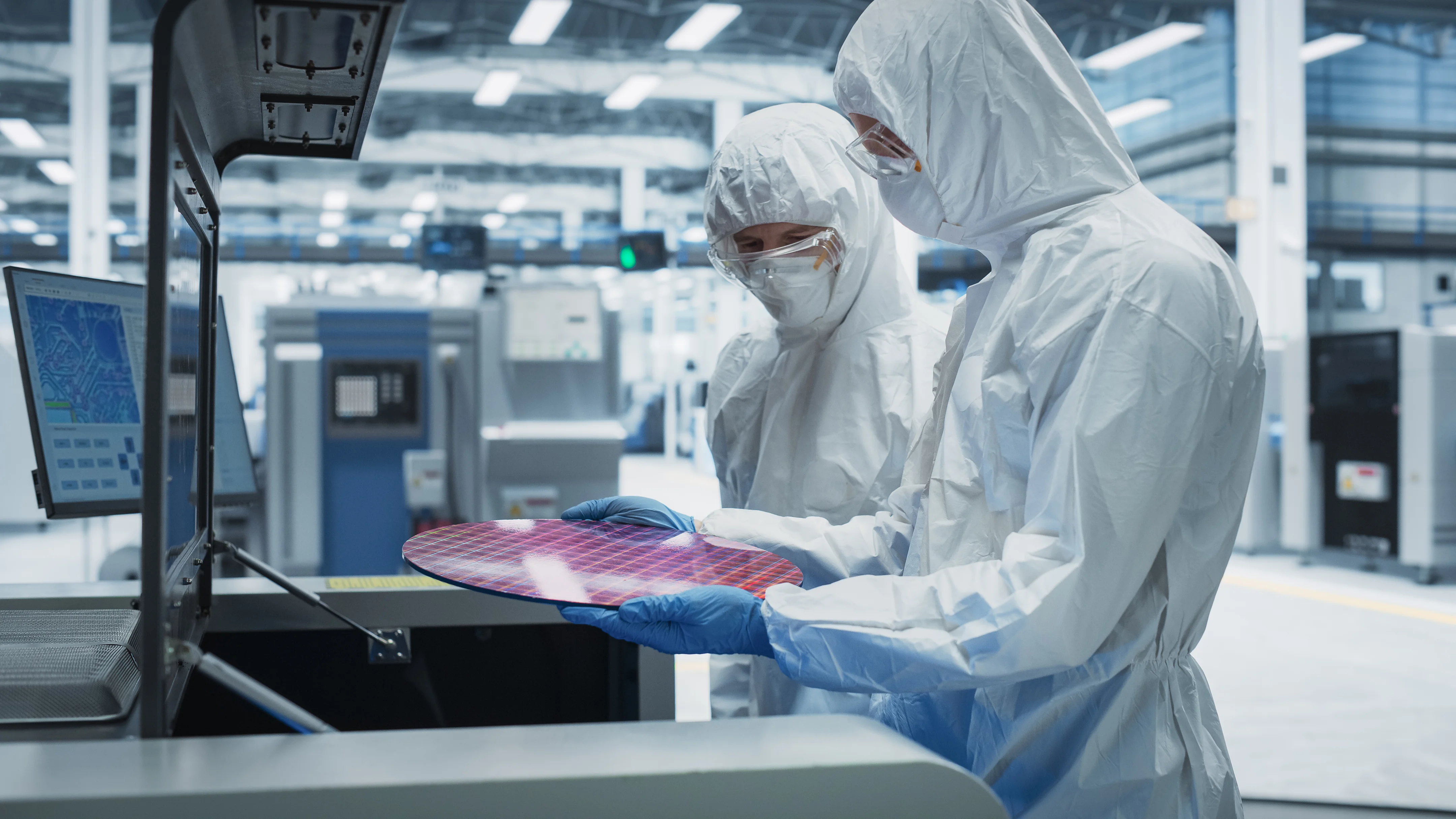
Ion propulsion research that began at the lab in the early 1960s eventually led to engines used on commercial satellites and NASA’s Deep Space 1 mission. In 2011, HRL developed the metallic microlattice, recognized at the time as the world’s lightest material. More recently, the lab’s neuromorphic chip, which mimics the way the human brain learns by altering synapses, was named one of MIT Technology Review’s top ten breakthrough technologies.
All of this, from a campus that most Malibu residents have driven past a thousand times without thinking twice about.
Malibu’s Quiet Economic Engine
When people think about Malibu’s economy, they think real estate, restaurants, Pepperdine, maybe the entertainment industry. HRL rarely comes up. But the lab has employed hundreds of scientists, engineers, and support staff in Malibu continuously since 1960, making it the city’s largest private employer for most of that history. At its peak, the facility employed around 600 people. The campus even hosts Malibu City Council meetings in its George F. Smith Auditorium, one of those quiet acts of civic participation that says a lot about how woven into the community the lab actually is.
The lab changed hands several times over the decades. General Motors purchased Hughes Aircraft in 1985. The research arm was spun off as an LLC in 1997, and today HRL is jointly owned by Boeing and GM. It still operates from the same Malibu Canyon campus, still does defense and advanced technology research, and was named one of Built In’s Best Places to Work in Los Angeles for the fourth consecutive year in January 2026.
Like many defense research operations, HRL has weathered cycles of expansion and contraction tied to government contract funding. In early 2025, the lab announced significant layoffs affecting hundreds of employees across its campuses, including its Malibu headquarters. It’s a reminder that even institutions with 65-year roots in a community are not immune to the shifting priorities of their industry.
Tony Stark’s Real Neighbor
There’s a comparison that’s hard to resist. In the Marvel films, Tony Stark runs a high-tech lab from his beachside Malibu mansion, tinkering with world-changing technology while staring out at Point Dume. Tourists regularly show up looking for the house. It doesn’t exist; it was CGI.
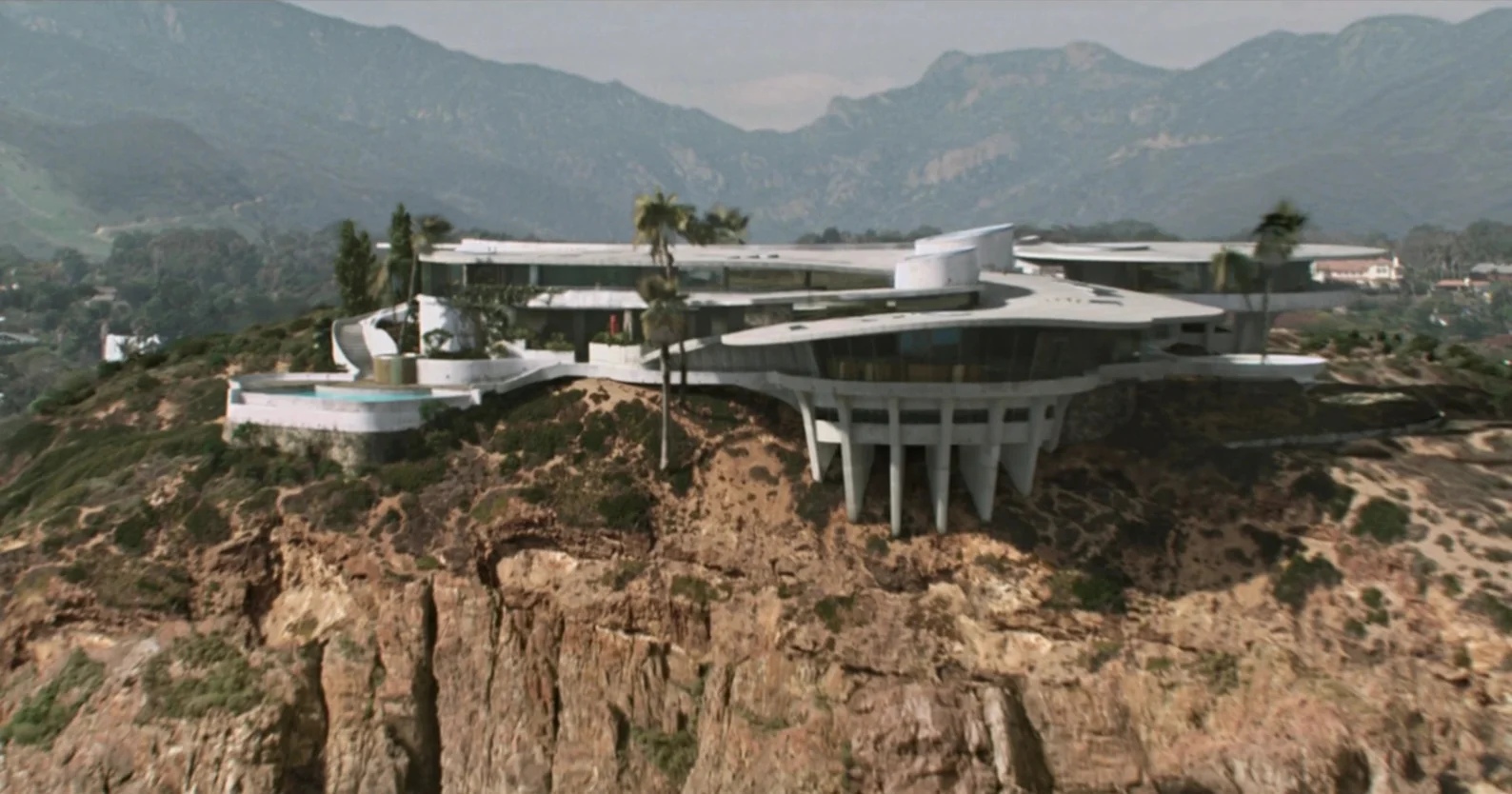
But a few miles south of Point Dume, a real facility full of real scientists has been doing real world-changing work for over six decades. The entrance is, as one writer put it, disappointingly innocuous. No arc reactor, no J.A.R.V.I.S., just a gate and a guard booth. Behind it, though, is the place where the laser was born, where autonomous vehicles first navigated open terrain, and where the lightest material ever created was engineered.
It’s the kind of Malibu story that doesn’t make the celebrity real estate headlines, but maybe should. A weapons lab above a surf town, hiding in plain sight for 65 years, responsible for one of the most transformative inventions of the 20th century. If that’s not a Malibu story, nothing is.
Shen Schulz is a lifelong Malibu resident, licensed California broker since 2001, and the #1 Malibu realtor at Sotheby's International Realty. With over two decades of experience in Malibu real estate and the surrounding luxury markets of Westlake Village, Agoura Hills, Calabasas, and the greater Los Angeles coast, Shen Realty delivers the local expertise, negotiation skill, and personal attention that only the best real estate agent in Malibu, CA can offer. Whether you're buying, selling, or just starting to explore homes for sale in Malibu, contact us today and we'd be honored to be of service to you.